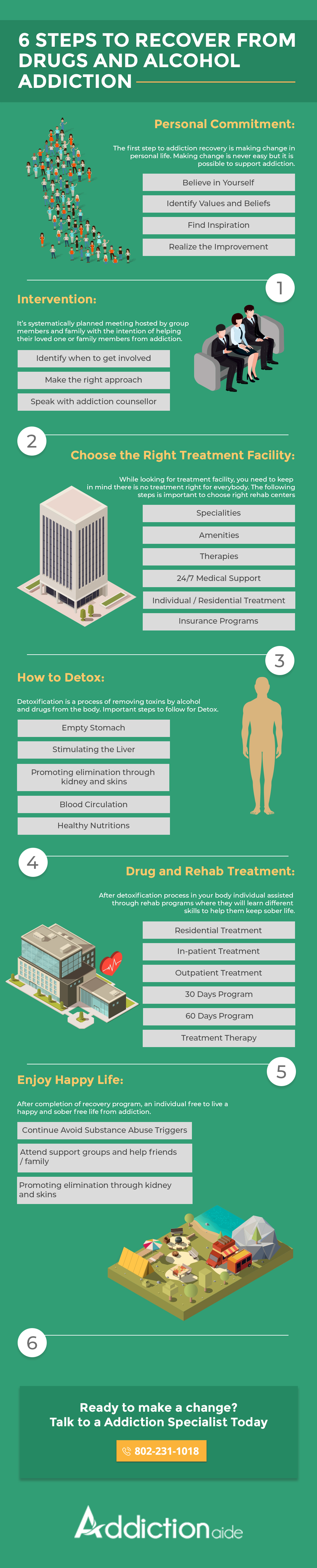
After finishing an alcoholism treatment program, you might feel a mix of alleviation and unpredictability. The real challenge starts as you transition back to every day life while making every effort to maintain your soberness. navigate to this web-site to build a solid support network and develop healthy and balanced coping approaches. You'll need to set realistic objectives to browse triggers and yearnings effectively. What steps will you take to guarantee your recuperation journey continues effectively?
Structure Your Support Network After Treatment
After finishing alcoholism treatment, you might feel overwhelmed, however developing a solid assistance network is crucial for your recuperation. Surrounding on your own with helpful good friends, family members, and peers can make a considerable distinction.
Reach out to those who comprehend your journey, whether they're recouping addicts or loved ones willing to pay attention. Think about joining support system like Twelve step programs; they give a feeling of community and shared experiences.
Consistently involve with your network, whether with call, meet-ups, or online chats. Remember, it's fine to lean on others throughout bumpy rides.
Structure these connections not only offers encouragement however also responsibility, aiding you stay devoted to your soberness. Take helpful resources to support these connections as you move forward.
Establishing Healthy And Balanced Coping Strategies for Day-to-day Live
While navigating daily life post-treatment, developing healthy and balanced coping methods is vital to preserving your soberness. Concentrate on searching for activities that bring you joy and gratification.
Exercise, whether it's a quick stroll or yoga, can enhance your mood and minimize stress and anxiety. Discover leisure activities like paint, horticulture, or cooking to keep your mind engaged and protect against dullness.
Method mindfulness strategies, such as reflection or deep breathing, to assist manage anxiousness. Border yourself with supportive friends and family who encourage your recovery journey.
When yearnings hit, reach out to your support network as opposed to isolating yourself. Remember, it's fine to look for specialist assistance if you're battling.
Setting Objectives for Long-Term Soberness and Healing
Establishing goals for lasting sobriety and healing is important, as it offers you direction and objective in your trip.
Beginning by determining details, achievable goals that reverberate with your life. Think about what you want to achieve-- whether it's maintaining a healthy and balanced way of life, rebuilding relationships, or going after brand-new leisure activities.
Damage these bigger goals right into smaller, workable steps to maintain you inspired and focused.
Consistently examine your development and readjust your goals as required. Celebrate your success, no matter just how tiny, to reinforce your commitment.
Border on your own with encouraging people that motivate your growth. Bear in mind, setbacks might take place, yet they don't specify your course.
Remain relentless, and keep your vision clear; your goals can direct you towards lasting soberness and fulfillment.
Final thought
In conclusion, transitioning back to every day life after treatment is a crucial step in your recovery journey. By building a strong assistance network, creating healthy coping approaches, and setting possible goals, you enhance your possibilities of long-lasting sobriety. Keep in mind, it's okay to look for help when needed and to welcome personal development. Keep dedicated to your journey, and commemorate your progression, despite just how little. You have actually obtained the toughness to browse this new phase!